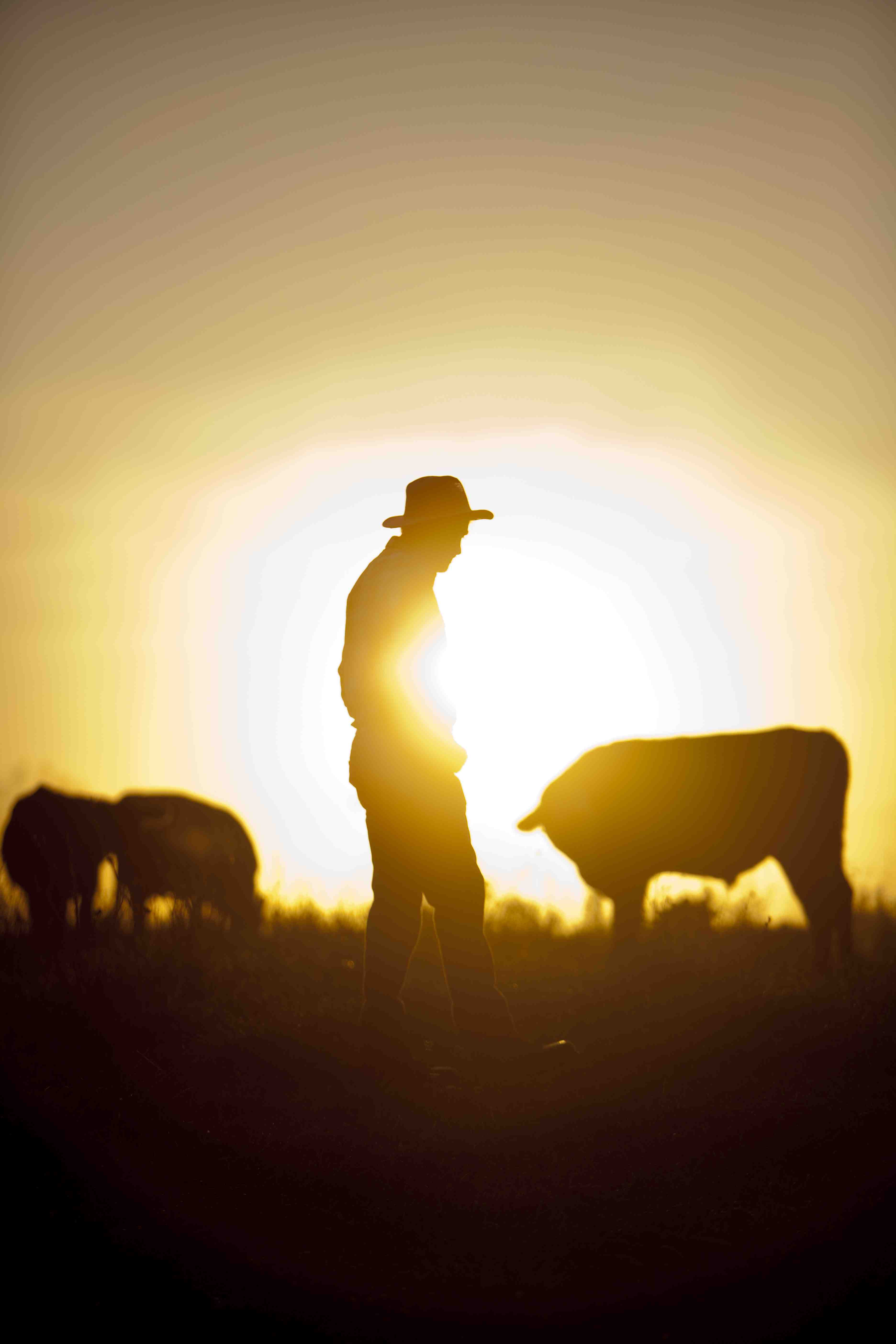
 This folksong is quite obviously about farms. You can tell just by reading the title, The Country Life. Country life and farm life are commonly used interchangeably. By the end of the first line, you know they like to rise early in the morning, which is an essential characteristic of farmers. There are plenty of other jobs that require you to wake up early in the morning, often before the sun rises, but most of the time it is because you have to, not because you enjoy it. I have known a few farmers in my life and all of them have been morning people, they enjoy getting up before the sunrises and starting their day off early.
There are about six verses to this song, each repeating the chorus. The first four versus are about the seasons of the year and what work a farmer has to attend to. It begins with spring, describing how it is filled with sowing their harvest. It is by far the busiest time of year for them but it is what they prepare for year round. The next is about winter and preparing for the spring to come. Summer is by far the most relaxed season. They celebrate the closing of spring and all the hard work they accomplished. Autumn they are just preparing for the cold winter months by gathering wood.
This entire song is depicting the life of a farmer and how it is a year round job. It shows how hard it is to be a "country boy" but it is also extremely rewarding.
References:
Kinkead, Joyce, Evelyn Funda, and Lynne S. McNeill. Farm : a multi-modal reader. Southlake, TX: Fountainhead Press, 2014. Print.

No comments:
Post a Comment