For this assignment I decided to research where the cotton from Nike comes from. I looked at the material my Nike socks are made out of and it has 58% cotton, 39% nylon, and 3% spandex. As Nike is one of the largest clothing manufacturers in the United States, I thought it would be beneficial to know where so much of the country's gross economical material comes from.
In 2001, Nike set a goal to integrate at least 5% organic cotton into their conventional cotton by 2011 and then another for 10% by 2015 (Environmentally Preferred Materials). They used over 21 million pounds of organic cotton fiber in their products last year, placing them as the third-largest retail user of organic cotton in the world. The source of their cotton, in the case of my socks, was made in Pakistan. It is one of the largest cotton producers in the world but their production process can have terrible environmental impacts. They irrigated weekly and used fertilizers and pesticides whenever they irrigated. In 2006, World Wildlife Federation started a project that encouraged better ways to grow cotton. Now Pakistani farmers have reduced their use of water by 37%, pesticides by 47%, and chemical fertilizer by 40% (Better Cotton). Now they only irrigate and fertilize when they need to.
Now that I have researched and learned how Nike obtains their cotton, I feel much more comfortable buying their products. A big concern now is how much Americans, or the world in general, are wasting products and how it is affecting the earth. Nike is striving to use materials that is good for the environment, instead of trying to make the most money. The cotton production in Pakistan is also making an effort to find more effective ways to harvest their crop. It would definitely influence my decision in buying something if it was a cotton product made in Pakistan. It all begins at the farm, and if they are working to help the environment then the rest of company is mindful of the environment.
References:
"Environmentally Preferred Materials." Nike, Inc. Nike, Inc. Web. 27 Sept 2015.
"Better Cotton." WWF Global. WWF Global. Web. 27 Sept 2015.
Sunday, September 27, 2015

Friday, September 11, 2015
Roots: Farming In The 1920's
I do not have any farmers in my immediate family and had to do a little digging into my family tree to find any. I was finally able to find one of my ancestors, Niels Christensen. He lived during the 1920's in a small town in southern Utah. He had an extremely successful sheep farm, where he sold their wool, until the 1920's crashed and the agricultural business dropped. When the depression was in full swing, he had difficulty feeding his wife and seven children, so he worked in the mines in addition to running his sheep farm in order to be able to put the food on the table. Luckily for him he had five sons that could help him with all the farm work instead of having to hire extra hands, which he would not be able to afford. He fought hard to keep his farm because it had been in his family for generations, even if it meant working long hours in the mines to keep it barely afloat.

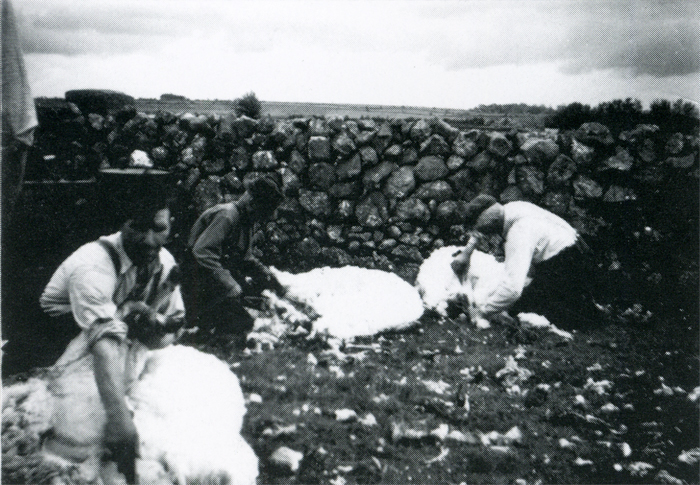
The Ag classroom timeline mentioned the life on the farm and what technological advances happened in the home (Historical Timeline). It named two advances, the first about movie houses being common in rural areas. Then the second was how broadcast radio began during the 1920's. In my ancestor's home, they spent their nights listening to the radio as a family to unwind after a long days work on the farm. It was their way of spending time together and to talk about what was going on in their children's lives.
Looking at the Ag classroom timeline, I was surprised to see how much of it connects to my ancestors personal lives. The first thing listed is the collapse of agricultural prices and then long-term agricultural depression, which is exactly what my ancestors went through (Historical Timeline). They were having complete success before the 1920's and then it dropped suddenly and never really came back up. Unfortunately, they had to sell their farm around 1928 because Niels grew extremely ill and wasn't able to keep working out in the fields. The depression for farmers lasted twenty years and Niels never lived long enough to see it end. He passed away in 1931, nine years before the depression ended.
References:
"Historical Timeline-1920." Growing a Nation. Utah State University, 2014. Web. 11 Sept 2015.
Subscribe to:
Posts (Atom)